Parents often notice small things about their children before anyone else does. Maybe feeding takes longer than expected. Perhaps speech sounds are difficult to understand. Some children struggle with certain oral movements, while others seem uncomfortable during feeding or swallowing. These challenges can have many causes, but in some cases, a tongue-tie or lip-tie may be part of the picture.
The topic has received growing attention in recent years. As more families learn about oral development, they often wonder whether a tongue or lip-tie release is necessary. The answer is not always straightforward. Every child is different, and not every tie requires treatment.
A careful evaluation is important because symptoms, age, and overall oral function all matter. Depending on what is observed during the examination, your orthodontist may recommend further assessment or treatment if a tie appears to be affecting normal function or development.
Knowing what tongue and lip ties are, how they can affect children, and when treatment may be considered can help parents make informed decisions.
Key Takeaways
a) Tongue ties and lip ties involve tight tissue attachments that may limit movement.
b) Some children experience feeding, speech, or oral development concerns related to these conditions.
c) Not every tongue or lip tie requires treatment.
d) A professional evaluation helps determine whether intervention is appropriate.
e) Treatment decisions are based on function rather than appearance alone.
Understanding Tongue and Lip Ties
Inside the mouth are small bands of tissue that connect different structures. These tissues are completely normal and present in everyone. A tongue-tie occurs when the tissue beneath the tongue is unusually tight, short, or restrictive. This may limit how freely the tongue moves.
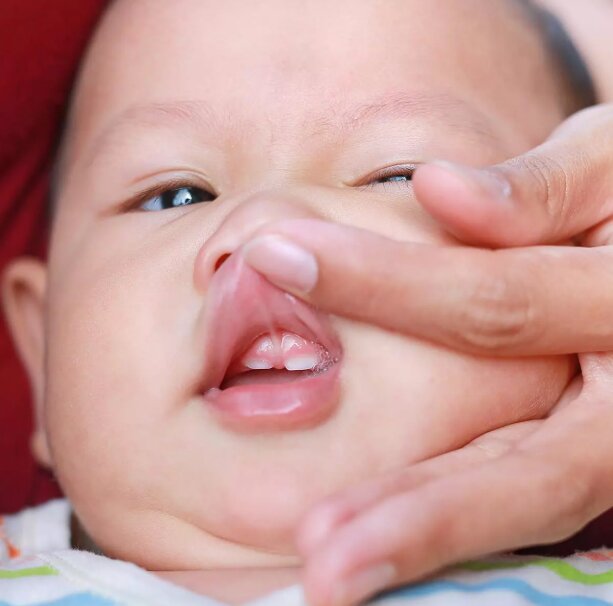
A lip-tie involves tissue connecting the upper lip to the gums. In some cases, the attachment may restrict lip movement. The presence of a tie alone does not automatically mean there is a problem. Many people have visible tissue attachments without experiencing symptoms. The focus is usually on how the tissue affects function rather than how it looks.
Signs Parents May Notice
Symptoms can vary depending on the child's age.
During Infancy
Some babies have difficulty creating a proper latch during feeding. Feeding sessions may take longer than expected.
Parents may notice:
a) Frequent feeding attempts
b) Clicking sounds while nursing
c) Difficulty maintaining a latch
d) Excessive frustration during feeding
e) Poor milk transfer
These concerns can occur for many reasons, so professional evaluation is important before assuming a tongue or lip tie is responsible.
During Childhood
As children grow, different signs may become noticeable.
Some children struggle with certain tongue movements. Others may find it difficult to clean food from their teeth naturally with their tongue.
Potential concerns may include:
a) Speech difficulties
b) Challenges with certain sounds
c) Difficulty licking foods such as ice cream
d) Limited tongue mobility
e) Oral hygiene challenges
Again, symptoms vary from child to child.
How Tongue and Lip Ties May Affect Development
The tongue plays an important role in several everyday functions. It assists with swallowing, speech, chewing, and oral development. Restricted movement may influence one or more of these activities.
In some cases, limited tongue mobility can affect the way the jaws and dental arches develop over time.
The upper lip also contributes to oral function. Restricted movement may occasionally affect feeding mechanics or oral comfort.
Because multiple factors influence development, professionals evaluate the whole picture rather than focusing on a single symptom.
When Is a Release Procedure Considered?
A tongue or lip-tie release is not automatically recommended simply because a tie is present. Treatment is generally considered when a restriction appears to be contributing to functional difficulties.
Professionals may evaluate:
a) Feeding efficiency
b) Speech development
c) Tongue mobility
d) Swallowing patterns
e) Oral growth and development
f) Comfort during daily activities
The goal is to determine whether the benefits of treatment outweigh the need for continued observation. Some children benefit from intervention, while others may simply require monitoring.
What Happens During a Tongue or Lip-Tie Release?
Parents often feel nervous when they hear the word "procedure." However, tongue and lip-tie releases are typically brief. The exact technique depends on the child's age and specific condition.
The procedure involves releasing the restrictive tissue to improve movement. Modern techniques may use different instruments depending on the provider's approach and clinical findings. Recovery experiences vary. Many children return to normal activities quickly.
Parents usually receive instructions regarding exercises, feeding guidance, and follow-up care after treatment.
Is Treatment Always the Complete Solution?
A release procedure may improve mobility, but it is not always the only step. Some children benefit from additional support after treatment. This may include speech therapy, feeding guidance, or exercises designed to encourage healthy oral function.
Developing new movement patterns sometimes requires practice, especially if restrictions have been present for a long time. A team-based approach often provides the best results.
Questions Parents Should Ask
Before making any treatment decision, parents should feel comfortable asking questions.
Helpful topics include:
a) What symptoms are being linked to the tie?
b) Are there alternative explanations for the concerns?
c) What benefits are expected from treatment?
d) What happens if treatment is delayed?
e) What type of follow-up care will be needed?
Clear communication helps families understand their options and make confident decisions.
Final Thoughts
Tongue and lip ties can affect oral function in some children, but every situation is unique. The presence of a tie does not automatically mean treatment is necessary. Careful evaluation helps determine whether feeding, speech, mobility, or development are being affected. By understanding the signs, treatment options, and factors involved in decision-making, parents can work with dental and healthcare professionals to choose the approach that best supports their child's growth and long-term oral health.