Many parents assume orthodontic treatment begins when a child gets braces during the teenage years. In reality, some dental and jaw concerns can be spotted much earlier. Small issues in childhood may become larger problems if they are left untreated. That is why many families are now learning about preventative and interceptive orthodontics.
Think of it like fixing a small crack before it turns into a major repair project. Early orthodontic care focuses on guiding healthy dental development while a child is still growing. It does not always mean braces are needed right away. In many cases, the goal is simply to monitor growth and step in when necessary.
A growing number of parents seek evaluations during elementary school because, according to many orthodontists, certain bite and jaw concerns can be easier to manage when identified during active growth years rather than after development is complete.
Understanding how preventative and interceptive orthodontics work can help parents make informed decisions about their child's oral health.
Key Takeaways
a) Early orthodontic evaluations can help identify developing problems.
b) Preventive care focuses on reducing the risk of future issues.
c) Interceptive treatment addresses problems while a child is still growing.
d) Early intervention may reduce the need for complex treatment later.
e) Regular dental and orthodontic check-ups support healthy development.
Why Early Orthodontic Monitoring Matters
Children's mouths change quickly. Baby teeth fall out. Permanent teeth erupt. The jaws continue to grow and develop.
During this period, certain warning signs may appear. Teeth may become crowded. The upper and lower jaws may not align properly. Some children may develop habits that affect dental growth.
When these concerns are identified early, orthodontists can monitor progress and recommend treatment if needed. Early attention often helps create better conditions for future tooth eruption and jaw development.
What Is Preventative Orthodontics?
Preventative orthodontics focuses on protecting normal dental development before major problems occur.
This approach often starts with simple measures. Maintaining healthy baby teeth is one example. Baby teeth serve as natural guides for permanent teeth. Losing them too early can create spacing issues later.
Preventative care may also include:
a) Regular dental examinations
b) Treatment of cavities
c) Guidance on oral habits
d) Monitoring tooth eruption patterns
e) Space maintenance when baby teeth are lost prematurely
The goal is not necessarily to move teeth. Instead, it is to support healthy growth and reduce the chance of future complications.
Understanding Interceptive Orthodontics
Interceptive orthodontics becomes necessary when a developing problem has already been identified.
Instead of waiting until all permanent teeth appear, treatment is used to guide growth and improve developing bite issues. Examples of conditions that may benefit from interceptive treatment include:
Severe Crowding
When there is not enough room for permanent teeth, early intervention may help create additional space.
Crossbites
A crossbite occurs when certain upper teeth fit inside the lower teeth instead of outside them. Early correction may help prevent uneven jaw development.
Protruding Front Teeth
Teeth that extend outward are more vulnerable to injury. Addressing this concern early can improve protection and appearance.
Jaw Growth Concerns
Some children show signs of jaw imbalance while they are still growing. Certain orthodontic appliances may help guide jaw development during these years.
Habits That Can Affect Dental Development
Parents are often surprised to learn how everyday habits can influence tooth alignment. Thumb sucking is one of the most common examples. Prolonged thumb sucking may affect the position of the teeth and the shape of the developing jaws.
Tongue thrusting can also create problems. Repeated pressure against the teeth during swallowing may contribute to bite irregularities. Mouth breathing is another concern. In some cases, it can influence facial growth patterns and dental development. Addressing these habits early may help reduce the need for more extensive treatment later.
What Happens During an Orthodontic Evaluation?
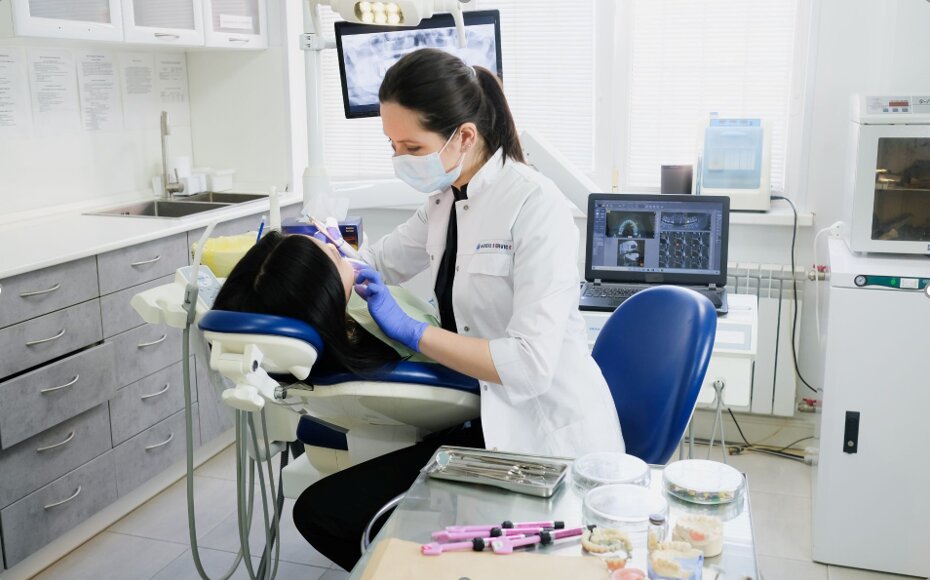
An orthodontic evaluation is usually simple and comfortable. The orthodontist examines the teeth, bite, and jaw relationships. Growth patterns are also assessed. Digital images, photographs, or X-rays may be used when necessary.
The purpose is not always to begin treatment immediately. Sometimes the best recommendation is observation. Regular monitoring allows the orthodontist to track changes as the child grows.
Parents receive information about current findings, possible future concerns, and whether any intervention is recommended.
Does Early Treatment Replace Braces Later?
Not always! Some children who receive interceptive treatment may still need braces or aligners during their teenage years. However, early intervention can often simplify future treatment.
In certain cases, it may reduce treatment time. In others, it may prevent more complex procedures from becoming necessary. Every child develops differently. The treatment plan depends on individual needs and growth patterns.
Supporting Your Child's Orthodontic Health
Parents play an important role in supporting healthy dental development. Encourage good brushing and flossing habits. Attend regular dental appointments. Pay attention to habits such as thumb sucking or mouth breathing. If concerns arise, seek professional advice rather than waiting for the issue to worsen. Early awareness often leads to better outcomes and fewer surprises later.
Final Thoughts
Preventative and interceptive orthodontics focus on guiding healthy growth rather than simply correcting problems after they become severe. By identifying concerns early, orthodontists can help children develop healthier bites and better jaw function. For parents, understanding these approaches provides an opportunity to support their child's oral health at an important stage of development. Early evaluation does not always lead to treatment, but it can provide valuable insight and peace of mind for the future.