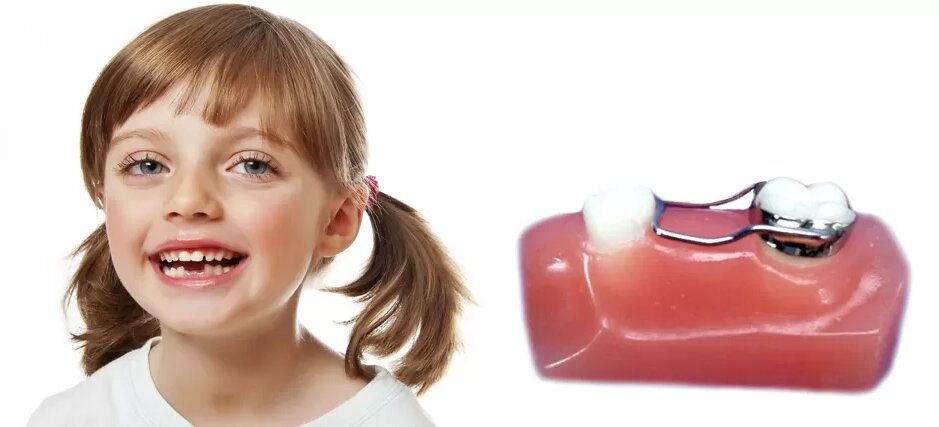
Losing a baby tooth is a normal part of growing up. However, not every tooth falls out at the right time. Sometimes a child loses a tooth too early because of decay, injury, or an infection. While many parents assume the gap will simply stay open until the adult tooth appears, that is not always what happens.
Teeth naturally shift over time. When a baby tooth is lost sooner than expected, nearby teeth may start moving into the empty space. This can create problems for the permanent tooth that is supposed to come in later. In many cases, an orthodontist may notice that preserving the space is just as important as treating alignment issues in the future.
This is where space maintainers become valuable. They help guide proper dental development and reduce the risk of complications that could require more extensive treatment later.
Key Takeaways
a) Early tooth loss can affect how permanent teeth develop.
b) Space maintainers help keep the correct amount of room for incoming adult teeth.
c) They can lower the risk of crowding and alignment problems.
d) Different types of space maintainers are available based on a child's needs.
e) Regular dental visits are important to monitor growth and tooth eruption.
What Happens When a Baby Tooth Is Lost Too Early?
Baby teeth do more than help children chew and speak clearly. They also act as placeholders for permanent teeth. When a baby tooth is lost ahead of schedule, neighboring teeth may begin drifting toward the empty area. This movement can reduce the space needed for the adult tooth beneath the gums.
As a result, the permanent tooth may emerge in the wrong position or become trapped. This can lead to crowding, bite problems, and a greater need for future orthodontic treatment.
The longer the space remains unprotected, the greater the chance of unwanted tooth movement.
What Is a Space Maintainer?
A space maintainer is a small dental appliance designed to hold open the gap left by a missing baby tooth. Its purpose is simple. It preserves the necessary space until the permanent tooth is ready to erupt.
Space maintainers are custom-made to fit a child's mouth. They are generally comfortable and allow normal daily activities such as eating and speaking. The appliance acts as a temporary guide, helping the developing teeth follow their natural path.
Why Space Maintainers Are Important
Many dental problems begin with small changes that occur over time. A missing tooth may not seem like a major concern at first, but the effects can become noticeable later. Here are several reasons space maintainers matter:
They Prevent Crowding
When surrounding teeth shift into an empty space, the permanent tooth may not have enough room to come in correctly. Keeping the gap open reduces the chance of overcrowding.
They Support Proper Tooth Eruption
Permanent teeth follow specific eruption patterns. A space maintainer helps protect that pathway and encourages the tooth to emerge in the correct location.
They Can Reduce Future Treatment Needs
While they cannot prevent every orthodontic issue, space maintainers may help minimize complications that could require more extensive correction later.
They Help Maintain Bite Balance
The position of each tooth affects how the upper and lower teeth fit together. Preserving proper spacing supports healthy bite development.
Types of Space Maintainers
The type of appliance used depends on the location of the missing tooth and the child's dental needs.
Fixed Space Maintainers
These are attached to the teeth and remain in place until removed by a dental professional. Because they stay in the mouth continuously, they do not depend on the child remembering to wear them.
Removable Space Maintainers
These appliances can be taken out for cleaning. They are usually recommended for older children who can follow instructions and care for the appliance properly.
A dentist will determine which option is most suitable based on the child's age, dental development, and cooperation level.
Caring for a Space Maintainer
Proper care helps the appliance work effectively and last as intended.
Children should:
a) Brush carefully around the appliance.
b) Avoid sticky foods that may loosen it.
c) Stay away from hard candies and chewing ice.
d) Follow the dentist's instructions regarding cleaning.
e) Attend regular check-ups to monitor progress.
Parents should also watch for signs of discomfort, looseness, or damage and report any concerns promptly.
When Is a Space Maintainer Needed?
Not every missing baby tooth requires a space maintainer.
The decision depends on several factors, including:
a) The child's age
b) Which tooth was lost
c) How much time remains before the permanent tooth erupts
d) The amount of available space
e) Overall dental development
A dental examination and X-rays can help determine whether maintaining the space is necessary.
Final Thoughts
Early tooth loss can have a lasting impact on a child's developing smile. Even a small gap may lead to shifting teeth, crowding, and eruption problems if left unmanaged.
Space maintainers serve an important role by protecting the space needed for permanent teeth. They help guide healthy dental development and may reduce the likelihood of more complicated treatment later.
If a child loses a baby tooth earlier than expected, seeking professional dental advice can help determine the best next steps. Acting early often makes it easier to support proper tooth alignment and long-term oral health.