Healthy teeth depend on strong enamel. Enamel is the hard outer layer that protects your teeth from damage. It acts like a shield against daily wear, chewing pressure, and harmful bacteria. However, enamel can slowly wear away over time. This process is called enamel erosion.
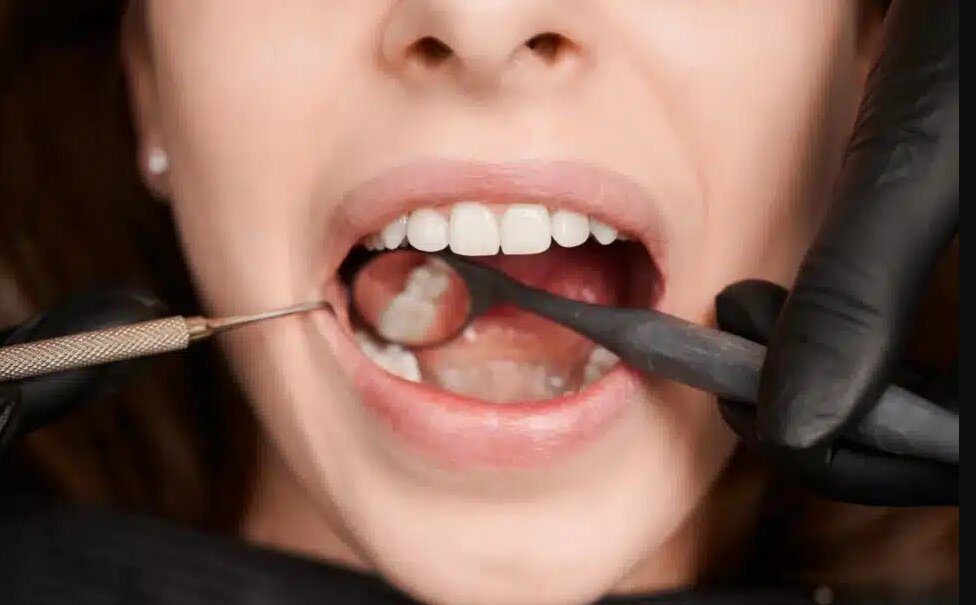
Enamel erosion is a common dental problem. Many people notice it only after symptoms appear. When enamel becomes weak, teeth may look dull, sensitive, or slightly yellow. This happens because the inner layer of the tooth, called dentin, becomes more visible.
Proper dental hygiene and regular check-ups play an important role in protecting enamel. Dentists also look at how your teeth fit together because uneven pressure can affect enamel over time. In some cases, professional guidance, including orthodontic care, may help address bite problems that place extra stress on certain teeth.
Understanding the causes of enamel erosion can help you protect your teeth and maintain good oral health.
Key Takeaways
a) Enamel is the protective outer layer of teeth.
b) Enamel erosion happens when acids wear down this protective surface.
c) Acidic foods, poor oral hygiene, teeth grinding, and medical conditions can contribute to erosion.
d) Common symptoms include tooth sensitivity, yellowing, and rough edges.
e) Limiting acidic drinks, maintaining good oral hygiene, and regular dental visits help prevent enamel damage.
f) Early prevention is important because enamel cannot grow back once it is lost.
What Is Enamel Erosion?
Enamel erosion happens when acids slowly dissolve the protective surface of the teeth. Unlike cavities, this damage is not caused only by bacteria. Many lifestyle habits and health conditions can also contribute to enamel loss.
Once enamel is lost, it cannot grow back. This makes prevention very important. If erosion continues, teeth may become sensitive, weak, and more prone to damage.
Common Causes of Enamel Erosion
Several factors can lead to enamel erosion. Knowing these causes can help you reduce the risk.
Acidic Foods and Drinks
Foods and beverages with high acid content can weaken enamel. Some common examples include:
a) Soft drinks
b) Citrus fruits
c) Sports drinks
d) Vinegar-based foods
e) Energy drinks
Frequent consumption of these items can slowly wear down the tooth surface.
Poor Oral Hygiene
Not brushing and flossing regularly allows plaque to build up. Plaque contains bacteria that produce acids. These acids attack enamel and increase the risk of erosion.
Acid Reflux and Medical Conditions
Certain medical conditions can also affect enamel. Acid reflux, for example, allows stomach acid to reach the mouth. This acid can damage the enamel if the problem continues for a long time.
Teeth Grinding
Grinding or clenching teeth, also known as bruxism, places pressure on enamel. Over time, this pressure can cause enamel to wear down.
Dry Mouth
Saliva helps neutralize acids in the mouth. When saliva production decreases, the mouth becomes more acidic. This increases the risk of enamel erosion.
Signs of Enamel Erosion
Enamel erosion develops slowly. Many people do not notice it in the early stages. However, there are some common signs to watch for.
a) Increased tooth sensitivity
b) Yellowish appearance of teeth
c) Rough or uneven tooth edges
d) Small cracks or chips
e) Pain when eating hot, cold, or sweet foods
If you notice these symptoms, it is important to consult a dentist. Early treatment can prevent further damage.
How to Prevent Enamel Erosion
The good news is that simple habits can help protect your enamel. Preventive care is the best approach.
Limit Acidic Foods and Drinks
Try to reduce the amount of acidic beverages you consume. If you drink soda or juice, use a straw to reduce contact with teeth. Rinsing your mouth with water afterward can also help.
Maintain Good Oral Hygiene
Brush your teeth twice a day using fluoride toothpaste. Floss daily to remove plaque between teeth. These habits help reduce acid buildup in the mouth.
Drink More Water
Water helps wash away food particles and acids. It also supports healthy saliva production.
Use a Soft Toothbrush
Hard brushing can damage enamel. Use a soft-bristled toothbrush and gentle strokes when brushing your teeth.
Visit Your Dentist Regularly
Routine dental visits allow dentists to detect early signs of enamel erosion. Professional cleanings also help remove plaque and tartar buildup.
Address Underlying Dental Issues
If bite problems or grinding habits are present, your dentist may recommend solutions to protect your teeth. Managing these issues can reduce stress on enamel and prevent further wear.
Why Early Prevention Matters
Enamel is the strongest substance in the human body. However, once it is damaged, it cannot regenerate. This means prevention is essential for long-term dental health.
Taking simple steps today can help you avoid serious dental problems later. Protecting enamel also keeps your teeth strong, comfortable, and visually healthy.