Oral health changes slowly as people grow older. Teeth, gums, and bones go through natural wear over time. These changes can affect chewing, speaking, and overall comfort. Many older adults notice that their teeth feel more sensitive or their gums appear weaker. These problems are common, but they should not be ignored.
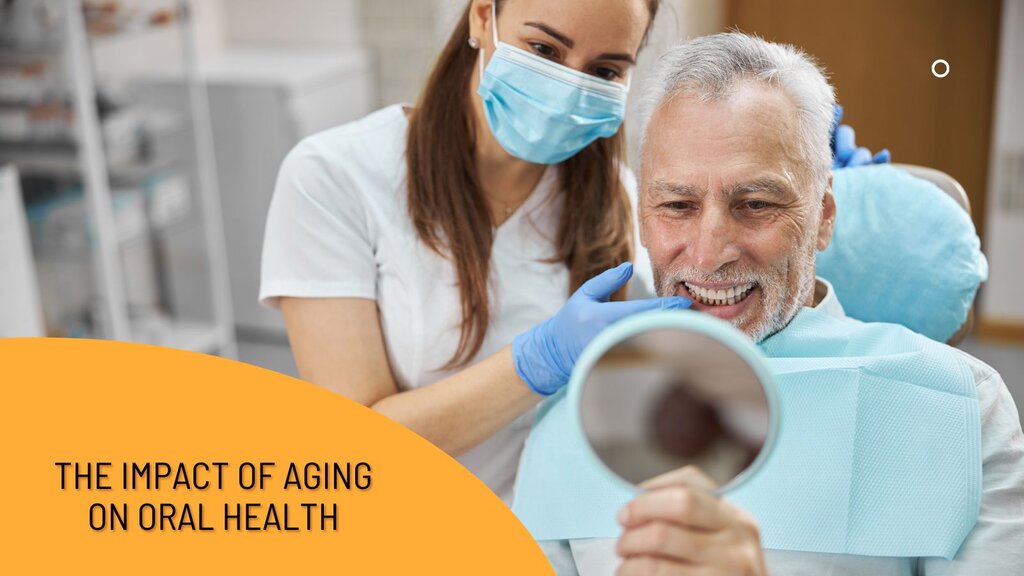
Aging does not mean losing teeth or living with constant dental discomfort. With proper care and timely treatment, many oral health problems can be managed. In some situations, an orthodontist can help improve alignment issues that develop later in life, making it easier to clean teeth and maintain long-term dental health.
Understanding how aging affects oral health helps people take better care of their teeth and gums. Early attention can prevent small problems from becoming serious concerns.
Key Takeaways
a) Aging can cause changes in teeth, gums, and jawbone structure.
b) Gum disease and tooth decay are more common in older adults.
c) Dry mouth may increase the risk of dental problems.
d) Tooth sensitivity often develops with age.
e) Good oral hygiene and regular dental visits support healthy aging.
Natural Wear and Tear on Teeth
Teeth are strong, but they experience constant pressure from chewing and grinding. Over many years, the outer enamel layer slowly wears down. This process can make teeth look shorter or slightly darker.
Worn enamel also exposes the inner part of the tooth. This may lead to sensitivity when eating hot or cold foods. Some people also notice small cracks or chips in their teeth. These issues are more common in older adults.
Dentists often recommend protective treatments such as bonding, crowns, or fluoride products to strengthen weakened enamel.
Gum Health Changes with Age
Gums play a vital role in supporting teeth. As people age, gum tissue may recede or pull away from the teeth. This exposes the tooth roots, which are more sensitive and vulnerable to decay.
Gum recession can occur for several reasons. Poor brushing habits, long-term plaque build-up, and certain medical conditions may contribute to the problem. If gum disease develops, it can damage the bone that holds the teeth in place.
Early treatment and consistent oral care can reduce the risk of severe gum problems.
Dry Mouth and Its Effects
Many older adults experience dry mouth. This condition occurs when the body produces less saliva. Saliva is important because it helps wash away food particles and bacteria.
Several factors can cause dry mouth. Common causes include medications, dehydration, and certain health conditions. When saliva levels drop, the mouth becomes more vulnerable to cavities and infections.
Drinking enough water and using saliva-boosting products can help manage this condition.
Increased Risk of Tooth Decay
Tooth decay does not only affect children. Older adults may also face a higher risk of cavities. Root surfaces that become exposed due to gum recession are softer than enamel. They can develop decay more easily.
Another reason for increased decay is difficulty maintaining oral hygiene. Some seniors may have limited hand mobility, which makes brushing and flossing harder.
Using electric toothbrushes and fluoride toothpaste can make daily dental care easier and more effective.
Changes in Bite and Jaw Alignment
The position of teeth may shift over time. Tooth loss, bone changes, and long-term grinding can alter the way teeth meet when biting. These changes may cause discomfort in the jaw or difficulty chewing certain foods.
When the bite becomes uneven, pressure on certain teeth increases. This can accelerate wear and cause further dental problems. Addressing alignment concerns can restore balance and improve oral function.
Maintaining Oral Health in Later Years
Good oral health habits remain important at every stage of life. Aging does not prevent people from maintaining strong and healthy teeth.
Simple daily habits can make a big difference. Brushing twice a day removes plaque and bacteria. Flossing cleans the spaces between teeth where a toothbrush cannot reach.
Regular dental visits are also essential. Dentists can identify early signs of gum disease, cavities, or oral infections before they become serious.
A balanced diet also supports oral health. Foods rich in calcium and vitamins help maintain strong teeth and bones.
Final Thoughts
Aging brings many changes to the body, and the mouth is no exception. Teeth may wear down, gums may recede, and saliva production may decrease. These changes can increase the risk of dental problems if proper care is not maintained.
However, healthy aging is possible with the right approach. Consistent oral hygiene, routine dental check-ups, and early treatment help protect teeth and gums for years to come. Paying attention to oral health is an important part of maintaining overall well-being in later life.