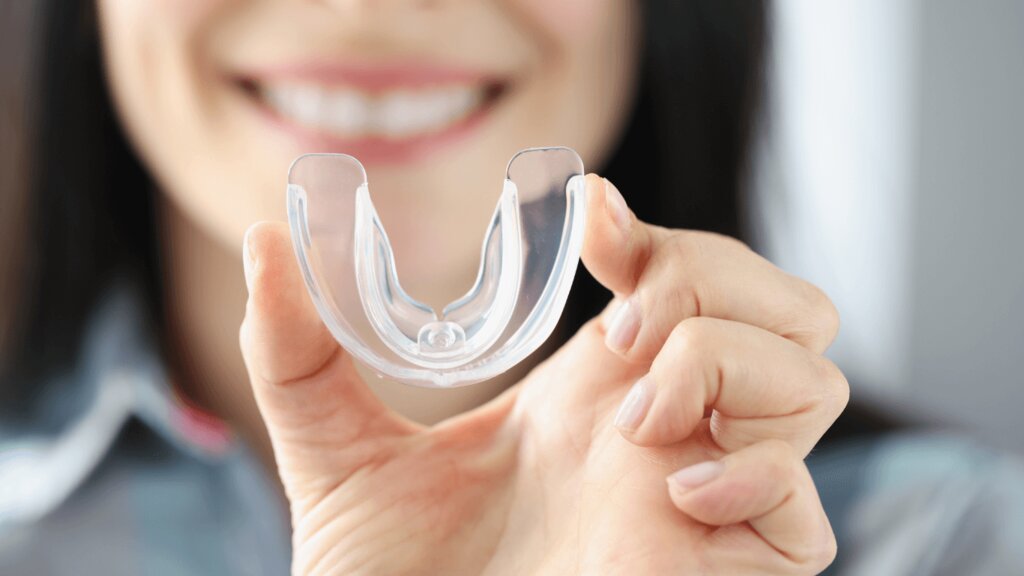
Have you ever woken up feeling tired even after spending enough hours in bed? Or noticed jaw soreness in the morning without knowing why? Many people treat these issues as separate problems. In reality, they can sometimes be connected.
The body works as a system. When one area is affected, other areas may also experience consequences. This is especially true when it comes to the jaw joints, sleep quality, and oral health. Problems involving the temporomandibular joints, commonly known as TMJ, may influence more than jaw comfort alone.
For some patients experiencing jaw discomfort alongside sleep-related concerns, an orthodontist can recommend solutions that address how the teeth, jaws, and surrounding structures function together. Understanding these connections can help people recognize symptoms earlier and seek appropriate care when needed.
Key Takeaways
a) TMJ dysfunction can affect jaw comfort, sleep quality, and oral health.
b) Poor sleep and jaw problems may sometimes be connected.
c) Teeth grinding is often linked to both TMJ symptoms and sleep disturbances.
d) Bite alignment can influence stress on the jaw joints.
e) Early evaluation may help prevent symptoms from becoming more severe.
Why the Jaw Joints Matter
The temporomandibular joints connect the lower jaw to the skull. These joints help with everyday activities such as:
a) Speaking
b) Chewing
c) Swallowing
d) Yawning
Because they are used so frequently, even minor problems can affect daily comfort. When the joints or surrounding muscles do not function properly, symptoms may develop. This condition is often referred to as TMJ dysfunction or TMD. The effects may extend beyond the jaw itself.
Common Signs of TMJ Dysfunction
TMJ dysfunction can appear in different ways from person to person. Some individuals experience only mild discomfort, while others notice symptoms that interfere with daily activities.
Common signs may include:
a) Jaw pain or tenderness
b) Clicking or popping sounds
c) Difficulty opening the mouth fully
d) Facial discomfort
e) Frequent headaches
f) Neck and shoulder tension
These symptoms may come and go or become more noticeable over time.
The Overlooked Link between TMJ and Sleep
Many people do not immediately connect jaw problems with sleep quality. However, sleep and TMJ health can influence each other in several ways. When jaw muscles remain tense during the night, they may place additional stress on the jaw joints. This can lead to soreness and stiffness upon waking.
At the same time, discomfort from TMJ dysfunction may make it harder to achieve restful sleep. This creates a cycle where poor sleep and jaw symptoms may reinforce one another.
Teeth Grinding During Sleep
One of the most common connections between TMJ dysfunction and sleep is teeth grinding. Also known as bruxism, teeth grinding often occurs unconsciously during sleep. The repeated pressure generated during grinding can place significant strain on the jaw joints and surrounding muscles.
Over time, this may contribute to:
a) Jaw fatigue
b) Tooth wear
c) Tooth sensitivity
d) Morning headaches
e) Increased TMJ discomfort
Many people are unaware they grind their teeth until symptoms begin to appear.
How Sleep Quality Affects Jaw Health
Poor sleep can influence muscle tension throughout the body. When the body does not receive adequate rest, muscles may become more sensitive and less able to recover from daily stress. This may increase discomfort in the jaw area.
People experiencing chronic sleep disturbances sometimes report worsening TMJ symptoms, particularly during periods of stress or fatigue. Although sleep alone does not cause TMJ dysfunction, it can affect how symptoms are experienced.
The Role of Bite Alignment
The way the teeth fit together can influence how the jaw functions. When bite relationships are not balanced, certain muscles and joints may work harder than others. This does not mean every bite issue causes TMJ dysfunction. However, jaw alignment can be one factor among many that contributes to discomfort.
Orthodontic evaluations often consider how the bite, jaw position, and overall function interact. Understanding these relationships helps create a more complete picture of a patient's condition.
Oral Health Can Be Affected Too
TMJ dysfunction is often discussed in terms of pain and jaw movement, but oral health may also be impacted.
People experiencing teeth grinding may develop:
a) Flattened tooth surfaces
b) Chipped teeth
c) Increased enamel wear
d) Tooth sensitivity
e) Gum irritation
These effects can accumulate gradually over time. Protecting oral health often involves identifying and addressing contributing factors early.
Lifestyle Factors That May Influence Symptoms
Several everyday habits can affect both sleep quality and jaw comfort.
Examples include:
a) High stress levels
b) Poor sleep habits
c) Excessive gum chewing
d) Nail biting
e) Jaw clenching
While these habits do not affect everyone in the same way, reducing unnecessary strain on the jaw may help improve overall comfort. Small lifestyle adjustments can sometimes make a meaningful difference.
Why Early Attention Is Important
Jaw discomfort that occurs occasionally may not seem concerning. However, symptoms that persist or worsen should not be ignored. Early evaluation can help identify possible contributing factors before they lead to more significant complications.
Addressing concerns sooner may improve comfort, support oral health, and reduce the impact on daily life.
Final Thoughts
TMJ dysfunction, sleep quality, and oral health are more closely connected than many people realize. Jaw discomfort can influence sleep, while poor sleep habits and nighttime grinding may contribute to jaw-related symptoms.
Recognizing these relationships is an important step toward protecting both comfort and oral health. If symptoms such as jaw pain, headaches, teeth grinding, or sleep disturbances continue, a professional evaluation can help determine the underlying causes and identify appropriate treatment options.