Dry mouth is a common condition that many people overlook. It happens when the mouth does not produce enough saliva to stay properly moist. Saliva is essential for maintaining oral health because it helps clean the mouth and protect teeth from harmful bacteria. When saliva levels decrease, the mouth loses an important defence system, which can increase the risk of dental problems.
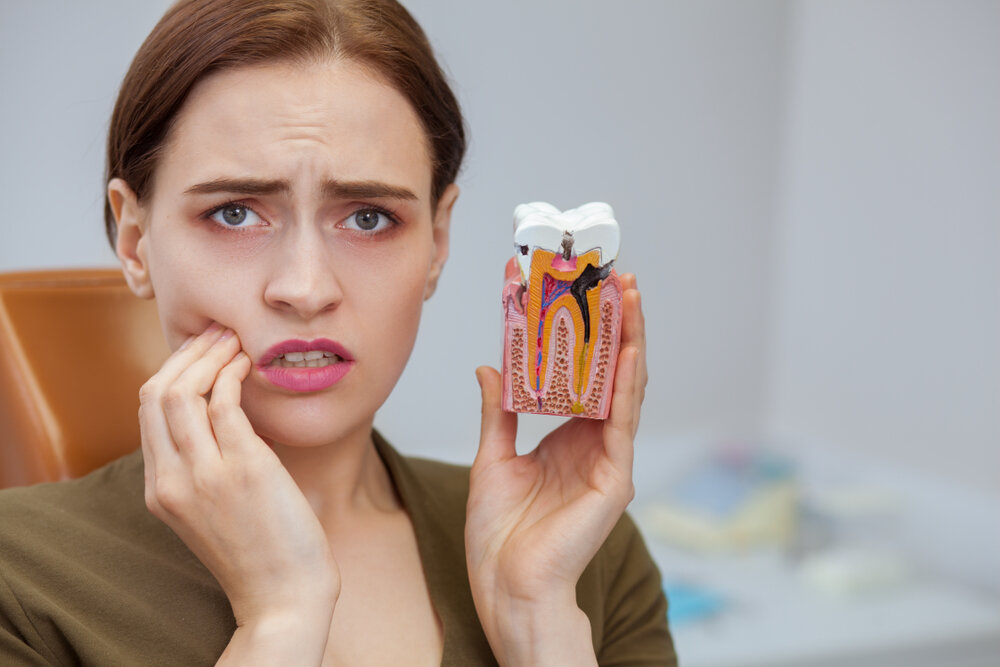
People with dry mouth often experience discomfort, but the condition can also affect long-term dental health. When saliva production slows down, food particles and bacteria stay on the teeth for a longer time. This situation creates an environment where cavities can form more easily. Early consultation with an orthodontist can help prevent many oral health complications. Understanding the connection between dry mouth and tooth decay helps people take preventive steps early. Proper care and attention can reduce the chances of cavities and maintain healthier teeth.
Key Takeaways
· Dry mouth happens when saliva production decreases.
· Saliva protects teeth by washing away bacteria and food debris.
· Low saliva levels increase the risk of cavities.
· Medicines, health conditions, and dehydration can cause dry mouth.
· Proper oral care and hydration help reduce tooth decay risk.
The Protective Role of Saliva
Saliva plays a vital role in keeping the mouth healthy. It constantly washes over the teeth and removes food particles that remain after eating. This natural cleaning process helps control the number of bacteria present in the mouth.
Another important function of saliva is its ability to neutralize acids produced by plaque bacteria. These acids can slowly weaken tooth enamel, which is the hard outer layer of the teeth. Saliva also contains minerals such as calcium and phosphate. These minerals help repair early enamel damage and keep teeth strong.
In addition to protecting teeth, saliva keeps the mouth comfortable and moist. It helps people chew, swallow, and speak easily. When saliva production is normal, the mouth maintains a healthy balance that protects against many oral health problems.
What Happens When the Mouth Becomes Dry
When saliva production decreases, the mouth loses many of its natural protective functions. Without enough saliva, food particles remain stuck to the teeth for longer periods. Bacteria feed on these particles and produce acids that attack tooth enamel.
A dry mouth also allows plaque to accumulate more quickly. Plaque is a sticky layer of bacteria that forms on teeth throughout the day. If plaque is not removed regularly, it can lead to cavities and gum irritation.
People with dry mouth may also feel a constant sense of dryness or stickiness in the mouth. This condition can make eating certain foods uncomfortable and may even affect speech. Over time, these changes can increase the likelihood of dental problems.
Common Causes of Dry Mouth
Dry mouth can develop for several reasons. One of the most common causes is medication. Many medicines used to treat allergies, high blood pressure, anxiety, or depression can reduce saliva production as a side effect.
Aging can also contribute to dry mouth. Older adults often take multiple medications, which can increase the chances of reduced saliva flow. Certain medical conditions, including diabetes and autoimmune disorders, may also affect the body’s ability to produce saliva.
Lifestyle habits sometimes play a role as well. Smoking and alcohol use can make the mouth feel drier. Dehydration caused by not drinking enough water may also lead to temporary dry mouth.
Warning Signs That Should Not Be Ignored
Dry mouth often develops slowly, and many people may not recognize the symptoms at first. A frequent feeling of thirst is one of the earliest signs. Some people also notice that their saliva feels thicker or stickier than usual.
Other signs may include difficulty swallowing dry foods, a rough feeling on the tongue, or cracked lips. Bad breath can also occur because bacteria grow more easily when the mouth lacks moisture.
If these symptoms continue for a long time, it is important to seek professional advice. Early recognition can help prevent further dental complications.
Why Dry Mouth Increases the Risk of Tooth Decay
Tooth decay develops when bacteria break down sugars from food and drinks. During this process, bacteria produce acids that weaken the enamel surface of teeth. Normally, saliva reduces this damage by washing away bacteria and neutralizing these acids.
However, when the mouth becomes dry, acids remain on the teeth for longer periods. This allows them to slowly break down the enamel layer. As enamel weakens, cavities can form more easily.
Dry mouth can also expose the roots of teeth when gums become irritated. These root surfaces are softer than enamel and are more vulnerable to decay.
Managing Dry Mouth for Better Oral Health
Managing dry mouth is an important step in protecting teeth from cavities. Drinking water throughout the day helps keep the mouth moist and supports saliva production. Good oral hygiene practices such as brushing twice daily and flossing regularly remove plaque and bacteria that cause decay.
Regular dental check-ups are also essential. Dentists can identify early signs of tooth damage and recommend appropriate treatments. In some cases, special mouth rinses or saliva substitutes may be suggested to help manage dryness.
Conclusion
Dry mouth may seem like a minor inconvenience, but it can have a significant impact on oral health. Without enough saliva, the mouth becomes more vulnerable to bacteria, plaque build-up, and acid attacks on tooth enamel.
Over time, these factors increase the risk of cavities and other dental problems. Recognizing the symptoms of dry mouth and taking preventive steps can help protect teeth and maintain a healthy smile. Proper hydration, consistent oral care, and professional dental guidance all play an important role in keeping the mouth healthy and balanced.