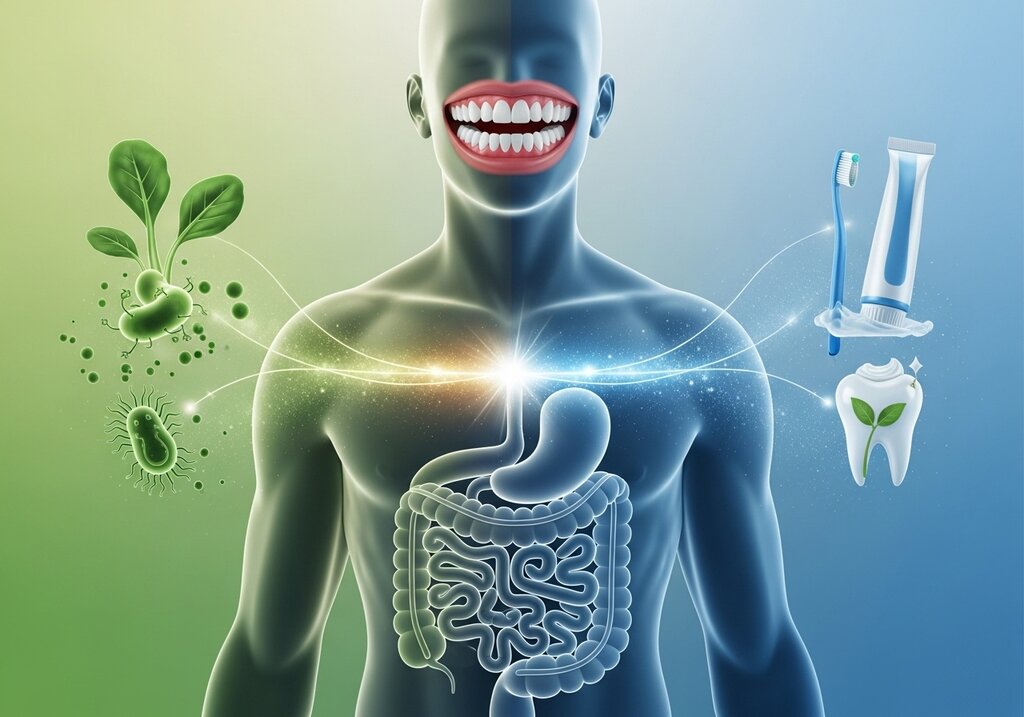
Most people think of straight teeth as a cosmetic benefit. A well-aligned smile is often associated with confidence, speech clarity, and better oral hygiene. However, teeth alignment can also influence another important area of health that many people overlook: digestion. The digestive process begins long before food reaches the stomach. It starts in the mouth, where the teeth, jaw, and saliva work together to prepare food for proper digestion. When teeth are misaligned, chewing may become uneven or less effective, which can place additional strain on the digestive system over time.
Some individuals begin noticing this connection after speaking with an orthodontist about issues such as jaw discomfort, uneven chewing, or difficulty eating certain foods comfortably. Although alignment problems are not the direct cause of every digestive concern, they can influence how efficiently food is processed during the earliest stage of digestion. Understanding this relationship helps people see oral health as part of overall body wellness instead of viewing it as a completely separate issue.
Key Takeaways
a) Proper chewing supports healthy digestion.
b) Misaligned teeth can affect chewing efficiency.
c) Bite problems may influence eating habits and food choices.
d) Jaw discomfort can make eating uncomfortable or uneven.
e) Orthodontic treatment may improve oral function and chewing balance.
The Mouth Plays a Bigger Role in Digestion Than Many Realize
Digestion starts the moment food enters the mouth. The teeth break food into smaller particles while saliva begins softening and chemically processing it. This preparation helps the stomach and intestines digest food more efficiently later. When chewing is incomplete, the digestive system may need to work harder to break down larger pieces of food.
People with alignment problems often develop uneven chewing habits without realizing it. Some chew mostly on one side of the mouth, while others avoid certain foods because biting feels uncomfortable. Over time, these patterns may reduce chewing efficiency and influence digestion indirectly. Even though the stomach continues processing food after swallowing, the quality of chewing in the mouth still matters significantly.
How Misaligned Teeth Can Affect Daily Eating Habits
Teeth that do not fit together properly may make certain foods difficult to chew. Crunchy vegetables, nuts, fruits, and tougher proteins often require balanced bite pressure and comfortable jaw movement. If chewing causes discomfort, many people naturally begin choosing softer and easier foods instead.
This habit may gradually affect nutritional choices. Someone with bite discomfort might avoid healthy foods that require more effort to chew and rely more heavily on processed or softer meals. While this adjustment may seem harmless initially, long-term dietary imbalance can affect overall wellness.
Jaw discomfort may also slow down eating or make meals feel tiring. Some individuals swallow food more quickly to avoid discomfort, while others chew less thoroughly than they should. These habits can influence digestion by increasing the workload on the stomach.
Bite Problems and Jaw Function Are Closely Connected
An uneven bite affects more than tooth appearance. It can also change how the jaw muscles function during eating. When teeth do not align correctly, certain muscles may work harder to compensate during chewing. This extra strain can sometimes lead to jaw tension, facial fatigue, or soreness after meals.
In some cases, poor chewing mechanics may also cause people to swallow excess air while eating. This can contribute to bloating or digestive discomfort for some individuals. Although these symptoms may not seem directly related to teeth alignment at first, the connection between chewing function and digestion is often stronger than people expect.
The body works best when the teeth, jaw, and muscles operate together smoothly. Small alignment issues can sometimes create long-term effects if they interfere with comfortable chewing every day.
Saliva and Proper Chewing Work Together
Saliva plays an essential role in digestion. It moistens food, supports swallowing, and contains enzymes that begin breaking down carbohydrates before food even reaches the stomach. Proper chewing stimulates healthy saliva production and allows saliva to mix evenly with food particles.
However, when chewing is rushed or inefficient due to bite problems, saliva may not fully support the digestive process. Dry mouth, mouth breathing, and jaw discomfort may also reduce comfort during meals and affect how efficiently food is prepared for digestion.
This is why oral function matters beyond appearance alone. Healthy chewing habits help the digestive system work more naturally from the very beginning of the eating process.
Can Orthodontic Treatment Improve Chewing Efficiency?
Orthodontic treatment is commonly associated with cosmetic improvements, but functional benefits are equally important. Correcting bite alignment may help some individuals chew more comfortably and evenly. When the teeth fit together properly, the jaw can often move more naturally during eating.
Treatment options may include braces, clear aligners, retainers, or bite correction appliances depending on the patient’s needs. The purpose is not simply to create straighter teeth but also to improve overall bite balance and oral function.
Better chewing efficiency may encourage healthier eating habits because patients feel more comfortable eating a wider variety of foods. This can support both oral and digestive wellness over time.
Final Thoughts
Teeth alignment influences more than appearance. The way the teeth and jaw work together can affect chewing efficiency, food choices, jaw comfort, and the earliest stages of digestion. Although digestive health depends on many different factors, proper oral function still plays an important supporting role.
Misaligned teeth may create subtle daily challenges that gradually affect overall eating habits and digestive comfort. Paying attention to bite function and oral health can help people better understand the connection between a healthy smile and a healthier body.