Choosing an orthodontist is not always a simple decision. Most patients are not only looking for straight teeth. They also want reassurance, comfort, and confidence throughout the treatment journey. Orthodontic care often lasts for months or even years, which means trust becomes one of the most important parts of the patient experience.
People usually remember how a healthcare provider made them feel long before they remember technical details about the treatment itself. Patients feel more comfortable when communication is clear, concerns are taken seriously, and appointments feel organized rather than rushed. Many individuals begin building confidence when an orthodontist understands that every patient arrives with different expectations, fears, and personal goals related to their smile.
Trust does not develop from one conversation alone. It grows gradually through honesty, consistency, professional behaviour, and positive treatment experiences over time. When patients feel respected and informed, they are often more confident about moving forward with treatment decisions.
Key Takeaways
a) Trust plays a major role in successful orthodontic treatment.
b) Clear communication helps patients feel more comfortable.
c) Patients value honesty, consistency, and professionalism.
d) Personalized care improves confidence during treatment.
e) Positive experiences encourage long-term patient relationships.
Clear Communication Builds Confidence
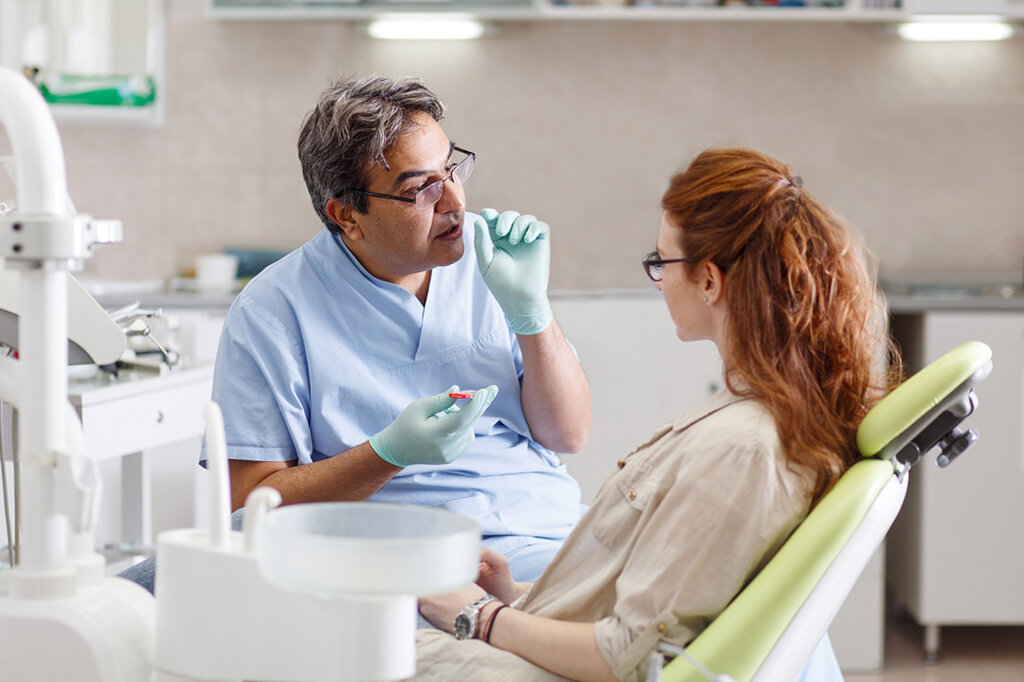
One of the biggest factors that influences trust is communication. Patients want explanations that are easy to understand instead of overly technical discussions that create confusion. When treatment plans, timelines, and possible challenges are explained clearly, patients often feel more relaxed. They appreciate knowing what to expect before treatment begins rather than facing unexpected surprises later. Good communication also includes listening carefully. Patients want to feel heard when they ask questions or express concerns about discomfort, appearance, costs, or treatment duration.
Simple conversations can make a significant difference in how secure patients feel throughout the process.
Professionalism Creates Reassurance
Professional behaviour strongly affects patient trust. People notice how the clinic operates from the moment they walk through the door. Clean treatment areas, organized appointments, respectful staff, and punctual scheduling all contribute to a positive impression. These details may seem small individually, but together they shape how patients view the quality of care. Patients also pay attention to consistency. When an orthodontic office maintains reliable communication and organized follow-up care, trust usually becomes stronger over time.
Professionalism is not only about qualifications. It is also about creating an environment where patients feel comfortable and respected.
Patients Appreciate Honest Expectations
Many people feel nervous before starting orthodontic treatment. Some worry about discomfort, appearance changes, or treatment length. Unrealistic promises can damage trust quickly if results do not match expectations later. Patients generally value honesty more than perfection. They appreciate orthodontists who explain both the benefits and limitations of treatment openly. For example, discussing possible delays, retainer requirements, or long-term maintenance helps patients prepare mentally for the full process. Honest conversations often build stronger relationships than overly optimistic guarantees.
Personalized Attention Matters
Every patient has different dental concerns, lifestyles, and goals. Some focus mainly on appearance, while others care more about bite function or comfort. Patients feel more confident when treatment feels personalized rather than standardized. Small details such as remembering previous concerns, adjusting recommendations based on lifestyle, or explaining options carefully can improve trust significantly. People want to feel like individuals rather than numbers on a schedule.
Personalized care also helps patients become more involved in treatment decisions, which often increases long-term satisfaction.
Technology and Modern Treatment Influence Trust
Modern technology can also affect patient confidence. Digital scans, treatment simulations, and advanced imaging systems help patients better understand their dental conditions and possible outcomes. Visual explanations often reduce uncertainty because patients can actually see what is happening with their teeth and bite alignment. However, technology alone does not create trust. Patients still value human interaction, empathy, and clear communication more than equipment or marketing claims. Technology supports trust best when combined with strong patient relationships.
Reviews and Recommendations Shape First Impressions
Many people research orthodontists before booking a consultation. Online reviews, patient testimonials, and recommendations from friends or family often influence initial opinions. Positive experiences shared by other patients help reduce uncertainty for new patients who may feel nervous about treatment. However, trust is usually confirmed during direct interactions. A friendly consultation and honest communication often matter more than online ratings alone. First impressions still play an important role in building confidence.
Emotional Comfort Is Often Overlooked
Orthodontic treatment can feel emotionally stressful for some people, especially teenagers or adults who feel self-conscious about their smile. Patients trust providers who show patience and emotional understanding during treatment. A calm and supportive approach can make appointments feel less intimidating.
Simple actions such as answering questions kindly or acknowledging patient concerns can create a stronger sense of comfort. Emotional reassurance is often just as important as technical skill.
Consistency Strengthens Long-Term Relationships
Trust develops gradually through repeated positive experiences. Patients notice whether communication remains consistent throughout treatment or changes after they commit financially. Reliable appointment scheduling, follow-up care, and treatment monitoring all help strengthen long-term confidence. Patients who feel supported during the entire process are more likely to complete treatment successfully and recommend the practice to others.
Consistency shows patients that their care remains important from beginning to end.
Final Thoughts
A patient’s trust in an orthodontist is influenced by many factors beyond clinical treatment alone. Clear communication, professionalism, honesty, emotional support, and personalized attention all shape how comfortable patients feel during their orthodontic journey.
People want more than straight teeth. They want to feel informed, respected, and confident throughout the process. When trust is built successfully, patients often experience greater peace of mind and stronger satisfaction with their overall treatment experience.