When people think of braces, a single image usually comes to mind, the familiar metal brackets and wires of decades past. What many do not realize is that braces have evolved into several distinct types, each with its own advantages. Understanding the options available today helps you have a more informed conversation with your orthodontist and choose the approach that best fits your needs, your lifestyle, and your preferences.
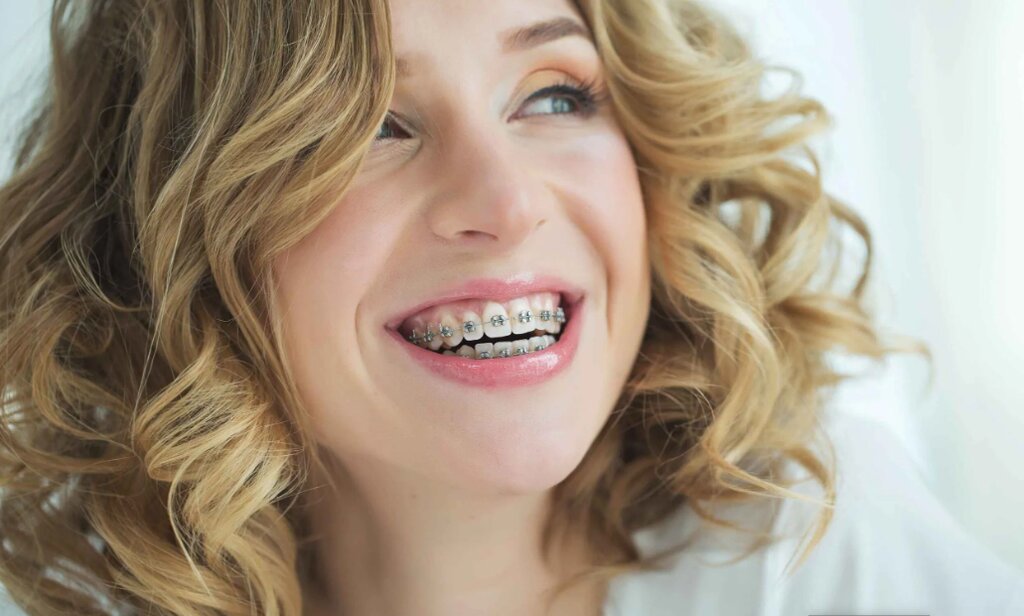
Traditional metal braces remain the most common and recognizable type, and for good reason. They consist of small metal brackets bonded to each tooth and connected by a wire that the orthodontist adjusts over time. Modern metal braces are far smaller and more comfortable than the bulky versions of the past, and they are exceptionally versatile, handling even the most complex cases effectively. They are also often the most economical option.
One feature that many younger patients enjoy with metal braces is the ability to personalize them. The small elastic bands that hold the wire can come in a range of colors, allowing kids and teens to choose their look and even change it at each visit. What might seem like a drawback to some becomes a bit of fun for others, giving young patients a sense of ownership over their treatment.
Ceramic braces work just like metal ones but are designed to be far less noticeable. The brackets are made from a tooth colored or clear ceramic material that blends in with the natural color of the teeth, making them much more discreet. For patients who want the reliability and control of fixed braces but are concerned about appearance, ceramic braces offer an appealing middle ground. Quality braces in ceramic form deliver the same results with a subtler look.
Ceramic braces do come with a few trade offs to consider. They tend to be slightly larger than metal brackets and can be a bit more fragile, requiring some extra care. The clear bands that hold the wire can also stain if you consume a lot of staining foods and drinks, though they are changed at each adjustment. For many patients, the improved appearance is well worth these minor considerations.
Lingual braces are a lesser known option that offers the ultimate in discretion. These braces are placed on the back side of the teeth, facing the tongue, so they are completely hidden from view. For patients who want their treatment to be entirely invisible while still using fixed braces, lingual braces are a remarkable solution, though they are a specialized option not offered by every practice.
Because lingual braces sit against the tongue, they do require an adjustment period and can take some getting used to in terms of comfort and speech. They also tend to be a more specialized and sometimes more costly option. For the right patient who prioritizes complete invisibility, however, the ability to straighten teeth without any visible sign of treatment is a significant appeal.
Self ligating braces are another modern variation, available in both metal and ceramic versions. Instead of elastic bands to hold the wire, they use a built in mechanism that secures it. Some patients and providers appreciate this design, and it can mean fewer adjustments in some cases. It is one more example of how the basic concept of braces has been refined in various ways over the years.
Choosing among these options depends on a range of factors, including the complexity of your case, your concern about appearance, your budget, and your lifestyle. This is exactly the kind of thing to discuss with your orthodontist, who can explain which types are well suited to your particular situation. Not every type is ideal for every case, and an honest provider will guide you toward the options that make sense for you.
It is worth remembering that regardless of the type, all braces work on the same fundamental principle of applying steady, controlled pressure to move teeth gradually into better positions. The differences lie in appearance, comfort, placement, and cost rather than in the underlying effectiveness. Each type, used appropriately, can deliver an excellent result in the hands of a skilled provider.
It is also reassuring to know that whichever type you choose, modern braces are more comfortable than the versions of the past, thanks to smaller brackets and improved wire materials that apply gentler pressure. The initial adjustment period, when the mouth gets used to the hardware and the teeth feel tender, passes within a week or two for nearly everyone. After that, daily life with braces becomes routine. Understanding the options simply lets you start that journey with the type that best matches your priorities, so that the months of treatment fit your life as comfortably as possible while steadily delivering the healthy, straight smile you are working toward.
The variety of braces available today means there is likely an option well suited to nearly everyone, whether your priority is affordability, discretion, or complete invisibility. The best way to determine which type is right for you is a consultation, where an orthodontist can examine your teeth, discuss your preferences, and recommend the approach that will give you the healthy, straight smile you want in the way that fits your life best.