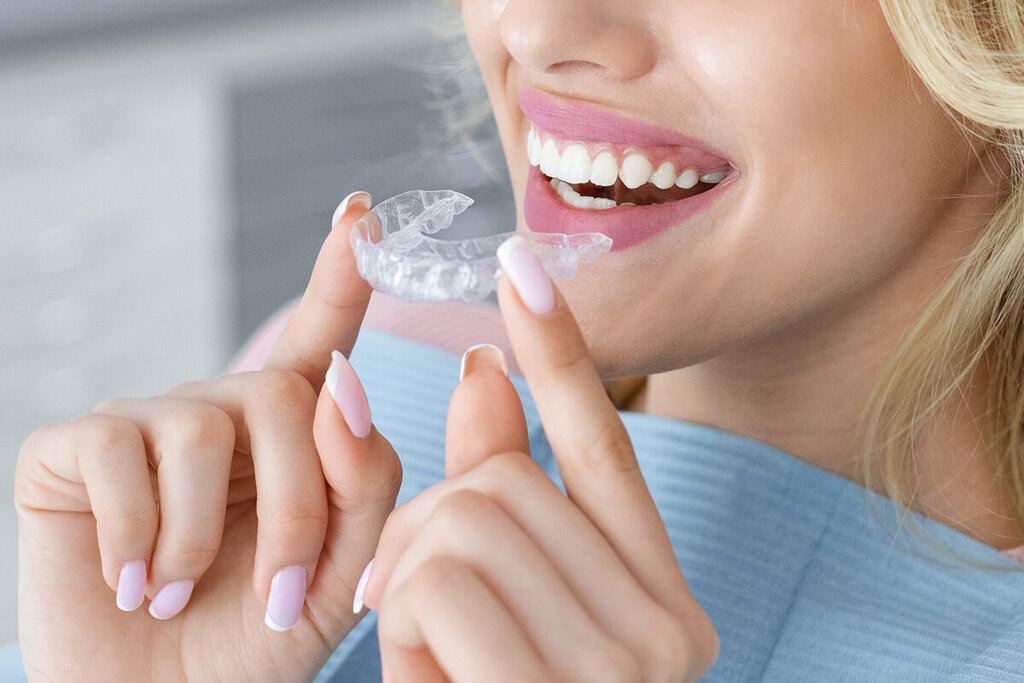
Clear aligners have become a popular choice for adults who want to straighten their teeth discreetly, but parents often wonder whether the same option makes sense for their teenagers. The teen years are a common time for orthodontic treatment, and the appeal of nearly invisible aligners is obvious for self conscious adolescents. The question is whether teens can handle the responsibility that aligners require, and the answer depends on the individual.
The appeal for teenagers is easy to understand. The teen years can be socially sensitive, and many adolescents feel self conscious about the prospect of a mouth full of metal. Aligners are transparent and barely noticeable, which removes that source of anxiety. For a teen who would feel embarrassed by traditional braces, the discreet nature of clear aligners can make the difference between dreading treatment and embracing it.
There is also the matter of lifestyle. Teenagers are often involved in sports, music, photographs, social events, and more, and aligners fit into all of this with minimal disruption. They can be removed for a band performance, a sport, or a special occasion, and there are no food restrictions because they come out for meals. For an active, busy teen, this flexibility is a genuine advantage. Choosing Invisalign can let a teenager pursue treatment without it dominating their social life.
The crucial factor, however, is responsibility, and this is where parents should think carefully. Aligners only work if they are worn around twenty two hours a day, removed only for eating and cleaning. They also require diligent care and the discipline not to lose them. For a mature, responsible teen who can be trusted to keep them in and look after them, aligners can work beautifully. For a teen who is more forgetful or less disciplined, fixed braces might actually be the more reliable choice.
It is worth having an honest conversation with your teenager about this commitment before deciding. Wearing aligners consistently requires self discipline, and a teen who understands and accepts that responsibility is far more likely to succeed. Some teens rise to the occasion and take ownership of their treatment, while others genuinely struggle with the consistency required. Knowing your own child helps you judge which path suits them.
Clear aligner systems designed with teens in mind sometimes include features to help. Certain options include small indicators that show whether the aligners are being worn enough, giving both teens and parents a way to track compliance. These features acknowledge the reality that teen wear time can be inconsistent and provide a helpful nudge toward the discipline that successful treatment requires.
The cleaning and hygiene side of aligners can actually be easier for teens than braces in some respects. Because the trays come out, brushing and flossing are done normally without navigating around brackets and wires. The catch is that teeth must be cleaned before the aligners go back in after eating, which means a teen needs to keep up with that routine, including when they are at school or out with friends.
Comfort is generally good with aligners, which teens appreciate. There is mild soreness when switching to a new tray as the teeth respond, but the smooth plastic avoids the irritation that brackets and wires can cause inside the mouth. Teens who play wind instruments or sports often find aligners less disruptive than fixed braces, since there is no hardware to adjust to or protect against impact.
Parents naturally consider effectiveness as well, and the reassuring news is that aligners can treat a wide range of the issues common in teenagers. Crowding, spacing, and many bite problems respond well. Very complex cases may still call for braces or a combined approach, which is why a professional evaluation matters. An orthodontist can determine whether a teen's specific situation is well suited to clear aligners.
Ultimately, the decision comes down to the individual teen. Aligners offer real advantages in discretion and flexibility, but they ask for a level of responsibility that not every adolescent is ready for. A thoughtful evaluation, combined with an honest assessment of your teen's maturity and habits, leads to the right choice. When a responsible teen is well suited to aligners, the result can be a smooth treatment experience that they actually feel good about.
It can also help to involve your teenager directly in the decision rather than simply making it for them. A teen who feels ownership over their treatment, who chose aligners knowing the responsibility involved, is far more likely to follow through than one who feels the choice was imposed. Talking through what wearing the trays consistently really means, and letting them weigh in, builds the buy in that successful aligner treatment depends on. When a teenager genuinely commits to the process, the discretion and flexibility of aligners can make their orthodontic experience something they feel good about rather than something they merely endure, which is a meaningful difference during these formative years.
If you are considering clear aligners for your teenager, the best next step is a consultation with an experienced orthodontist who treats teens regularly. They can assess whether your teen's case is appropriate, discuss the responsibilities involved, and help your family decide whether aligners or another option is the better fit. With the right choice, your teen can achieve a healthy, confident smile in a way that suits their life and their stage of growing up.