Most people visit the dentist when they have a toothache, bleeding gums, or a broken tooth. However, some serious health conditions can develop without causing any pain or noticeable changes. Oral cancer is one of them.
Many cases of oral cancer begin quietly. There may be no discomfort, swelling, or visible warning signs in the early stages. This is why regular oral cancer screenings play such an important role in protecting your health.
During routine dental visits, practices such as Suh Family Dentistry often include examinations that help identify unusual changes in the mouth before they become more serious. These screenings are quick, simple, and can provide valuable peace of mind.
Key Takeaways
a) Oral cancer can develop without obvious symptoms.
b) Early detection improves treatment options and outcomes.
c) Oral cancer screenings are quick and painless.
d) Regular dental visits help identify suspicious changes early.
e) Everyone can benefit from screening, especially adults with risk factors.
Oral Cancer Does Not Always Show Early Warning Signs
Many people assume that cancer always causes pain. In reality, oral cancer often develops silently. A person may feel completely healthy while abnormal cells continue to grow.
In the early stages, small changes inside the mouth may be difficult to notice. Some signs can appear in areas that are not easy to see, such as under the tongue or toward the back of the throat.
Because symptoms are often absent, waiting until something feels wrong may delay diagnosis.
Why Early Detection Is So Important
Early detection can make a significant difference in treatment success. When healthcare professionals identify oral cancer at an early stage, treatment may be less complex and more effective.
According to trusted health organizations, early-stage oral cancers generally have better outcomes than cancers found after they have spread to nearby tissues or lymph nodes.
Screening gives dental professionals an opportunity to identify potential concerns before they progress. It creates a chance to act sooner rather than later.
What Happens During an Oral Cancer Screening?
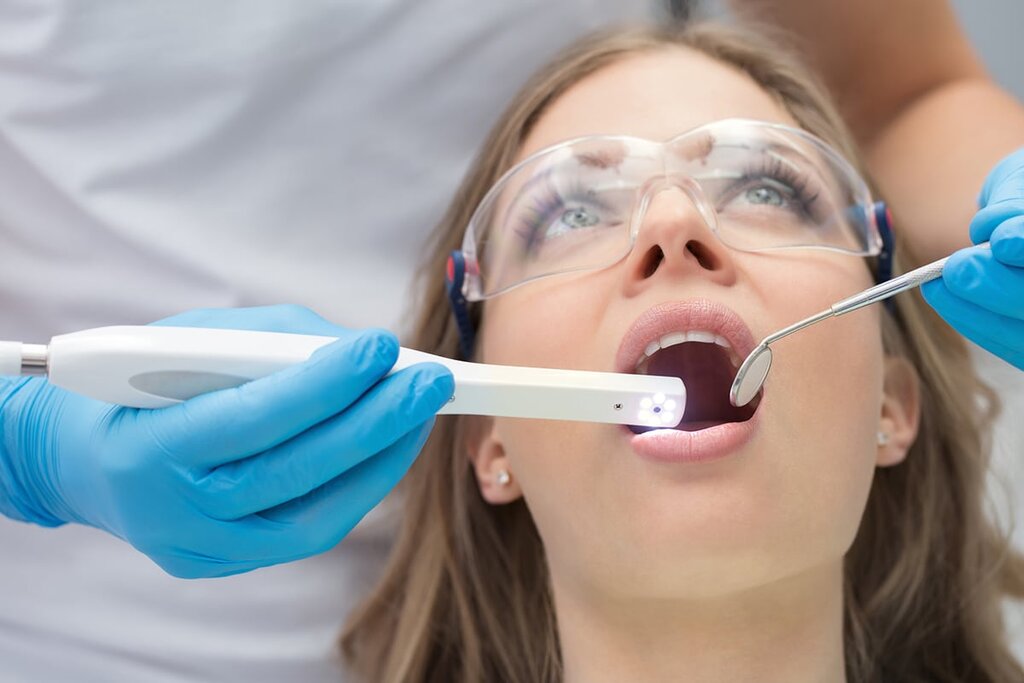
Many people avoid screenings because they think the process will be uncomfortable. Fortunately, oral cancer screening is usually fast and painless.
During the examination, your dentist may:
a) Check the lips and cheeks
b) Examine the tongue and floor of the mouth
c) Look at the roof of the mouth
d) Inspect the throat area
e) Feel for unusual lumps or swelling in the neck and jaw
The goal is to identify anything that looks different from normal healthy tissue.
If your dentist notices an unusual area, they may recommend additional evaluation. In many cases, the finding turns out to be harmless. However, it is always better to investigate changes early.
Who Should Consider Oral Cancer Screening?
Oral cancer screening is valuable for adults of all ages. Some people face a higher risk than others.
Common risk factors include:
Tobacco Use
Smoking cigarettes, cigars, pipes, or using smokeless tobacco increases the risk of oral cancer.
Heavy Alcohol Consumption
Frequent alcohol use can raise the likelihood of developing oral cancer, especially when combined with tobacco use.
Human Papillomavirus (HPV)
Certain strains of HPV have been linked to cancers affecting the mouth and throat.
Age
Risk increases with age, although younger adults can also develop oral cancer.
Excessive Sun Exposure
Long-term sun exposure may increase the risk of cancer affecting the lips.
Even if none of these factors apply to you, regular screening remains a smart preventive step.
Small Changes Can Matter
Oral cancer may begin with subtle changes that seem easy to ignore.
Examples include:
a) A sore that does not heal
b) White or red patches inside the mouth
c) Persistent hoarseness
d) Difficulty swallowing
e) A lump or thickened area in the mouth
f) Numbness in the tongue or lips
These signs do not always mean cancer is present. However, they deserve professional attention if they persist.
Screenings Support Overall Health
Dental visits are about more than keeping teeth clean. They also provide an opportunity to monitor your overall oral health.
Oral cancer screening adds another layer of protection. It allows dental professionals to look beyond cavities and gum disease. A few extra minutes during an appointment could help identify a serious problem at a much earlier stage.
Preventive care often works best when issues are found before they cause symptoms.
Final Thoughts
Feeling healthy does not always mean everything is normal. Oral cancer can develop quietly and remain unnoticed for months. That is why regular oral cancer screenings are so important.
The process is simple, painless, and often completed during a routine dental visit. Most importantly, screening can help detect potential problems before they become harder to treat.
Making oral cancer screening part of your regular dental care routine is a small step that can have a lasting impact on your health and well-being.