One of the first practical questions people have when they start orthodontic treatment is what they can and cannot eat. It is a reasonable concern, since food is a daily pleasure and nobody wants to feel deprived for months on end. The good news is that eating well during treatment is entirely possible, and understanding the guidelines helps you enjoy your meals while protecting your braces or aligners.
For those with braces, the main concern is avoiding foods that can damage the brackets and wires. Hard foods are a leading culprit, since biting into something firm can pop a bracket loose or bend a wire. This means being careful with things like hard candies, ice, nuts, and crunchy raw vegetables eaten whole. The fix is often simple, such as cutting hard foods into smaller pieces or cooking vegetables until they soften.
Sticky and chewy foods are the other category to watch with braces. Items like caramel, taffy, chewing gum, and very chewy candies can get caught in the hardware and are difficult to clean away, and they can also pull at brackets. Avoiding these during treatment prevents both breakages and the build-up that leads to decay. It is a temporary sacrifice that spares you repair visits and protects your teeth.
The first week with braces, and the days following each adjustment, call for special attention to soft foods. As the teeth become tender from the pressure, biting into anything firm is uncomfortable. This is the time to lean on soups, pasta, mashed potatoes, smoothies, yogurt, and other gentle options. A local orthodontist will explain that this tenderness is temporary, and soft foods make those few days far more comfortable.
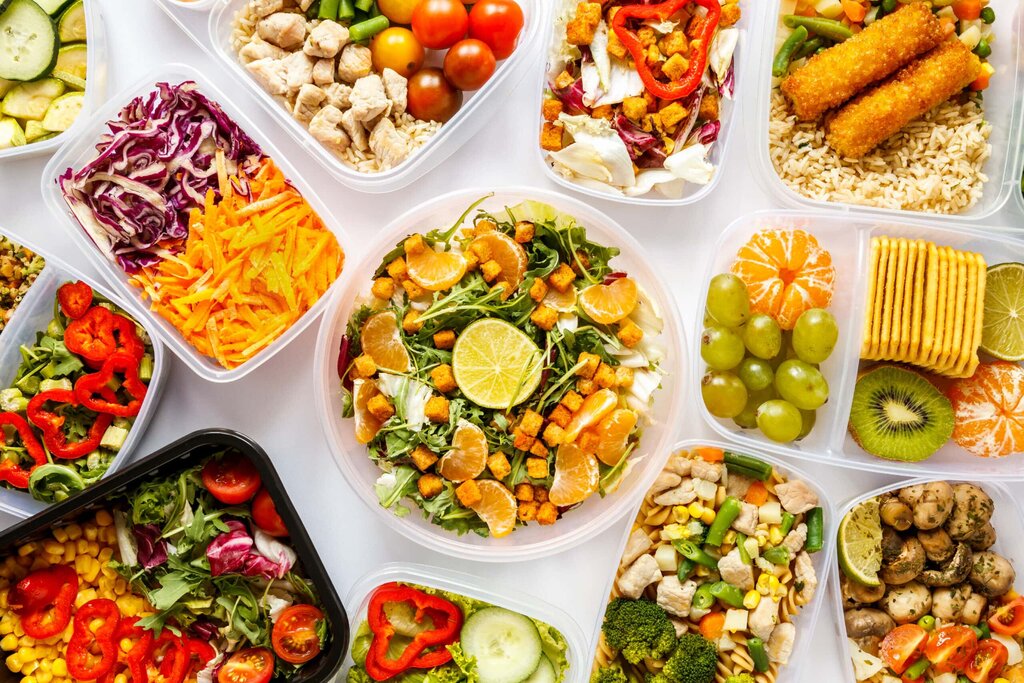
The encouraging news is that the list of foods you can enjoy with braces is much longer than the list to avoid. Plenty of nutritious, satisfying foods are perfectly fine, from soft fruits and cooked vegetables to dairy, grains, eggs, fish, and tender meats. With a little creativity, eating well during treatment is easy, and many people find they barely notice the restrictions after the first adjustment.
Clear aligners change the equation considerably, which is one of their appeals. Because the trays are removed for eating, there are essentially no food restrictions. You take the aligners out, eat whatever you like, then clean your teeth and put the trays back in. This freedom is a genuine advantage for food lovers, though it comes with the responsibility of cleaning your teeth before reinserting the aligners.
That responsibility is important to take seriously with aligners. Sealing food particles and sugar against your teeth under a snug tray for hours creates an ideal environment for decay. Brushing after meals before replacing the trays is essential, which is why many aligner wearers carry a small travel kit. The food freedom is real, but it depends on keeping up with this cleaning routine consistently.
Sugary and acidic drinks deserve a mention for everyone in treatment, regardless of the appliance. Sodas, sports drinks, and sugary juices are hard on the teeth in general, and the challenge is greater with braces where cleaning is more difficult. Water is always the best choice, and for aligner wearers, only water should be consumed while the trays are in, since other drinks can stain the trays or pool sugar against the teeth.
Snacking habits can affect your dental health during treatment as well. Frequent snacking, especially on sugary or starchy foods, keeps the teeth under constant attack from the acids that cause decay. Being mindful about how often you eat, not just what you eat, helps protect your teeth. For aligner wearers, frequent snacking also means frequent removal and cleaning, which gets tiresome and tempts shortcuts.
Maintaining good nutrition throughout treatment supports not just your teeth but your overall health. There is no need to compromise a balanced diet because of braces or aligners. With soft cooking methods, smart choices, and a bit of planning, you can eat a varied, healthy diet that keeps you well nourished and your treatment on track. Eating well and protecting your orthodontics are not at odds.
It is also worth remembering that these eating habits, while they may feel like restrictions at first, often nudge people toward a healthier diet overall. Cutting back on hard candies, sticky sweets, and sugary drinks is good for your teeth and your body whether or not you are in treatment. Many patients find that the mindfulness they develop about food during their orthodontic journey carries forward afterward as lasting habits. What begins as a set of rules to protect your braces can quietly become a healthier relationship with food, which is one more way that the months of treatment pay dividends well beyond a straighter smile.
Ultimately, eating during orthodontic treatment is about being a little more thoughtful rather than deprived. Knowing which foods to enjoy freely, which to modify, and which to skip entirely lets you navigate mealtimes with confidence. The temporary adjustments are minor compared to the lasting reward of a healthy, straight smile, and before long these mindful habits become second nature, carrying you smoothly through to the end of your treatment.